

The operation report comes before a generic rotator cuff timeline
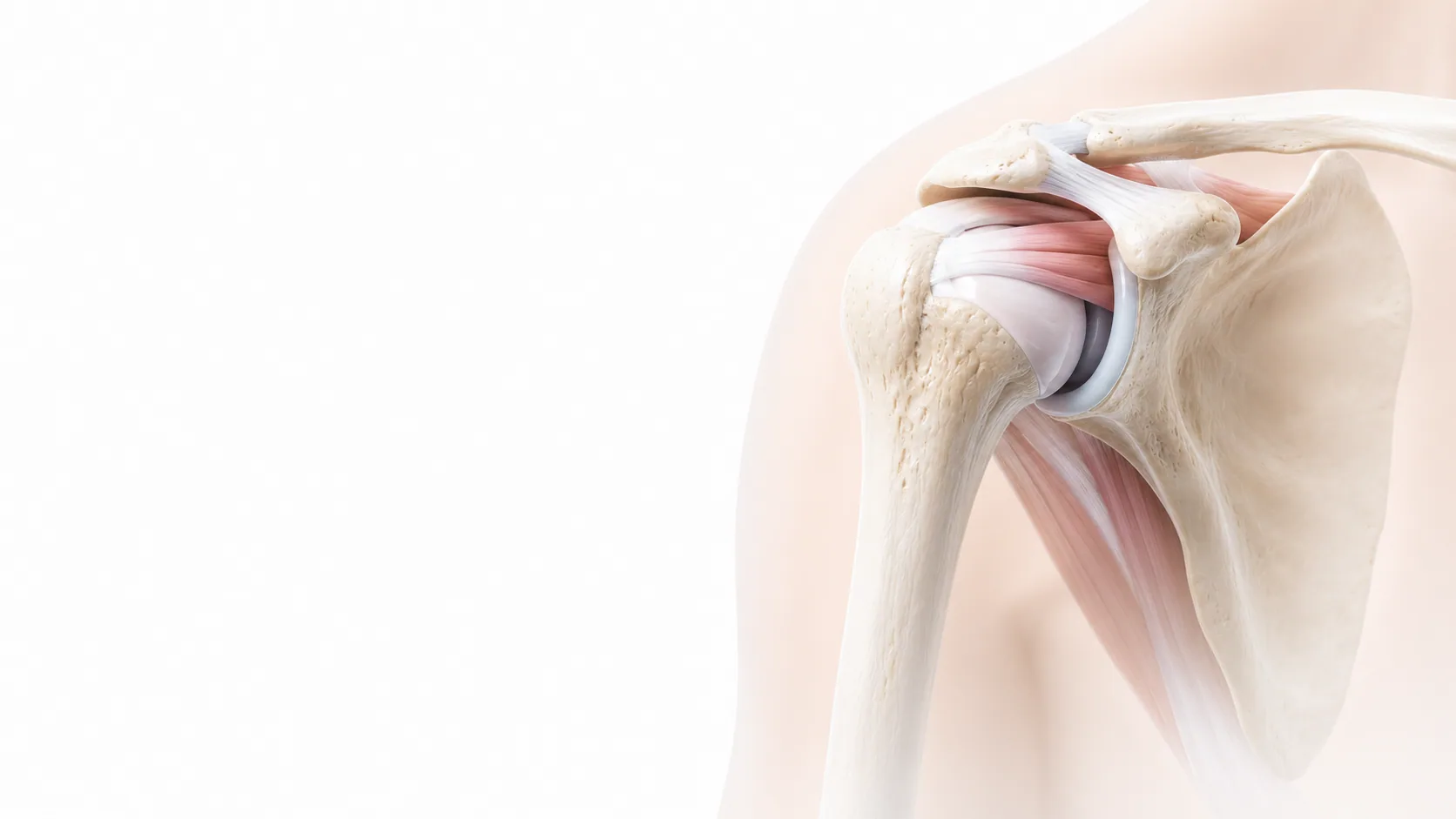
Rotator cuff repair reattaches one or more tendons to bone. The number of tendons, tear size, tissue quality, fixation and any additional procedure influence protection and progression. A small isolated supraspinatus repair is not automatically managed like a large multi-tendon repair.
The surgeon may also address the biceps tendon, acromion, capsule, labrum or other shoulder structures. These details can change sling use, permitted range, active movement and when resistance begins, even when two people both describe the operation as a rotator cuff repair.
Tendon and tear size
The repaired tendon, size and tissue quality affect the healing problem and the degree of early protection required.
Additional procedures
Biceps tenodesis, subscapularis repair or other surgical work may add movement or loading restrictions that are absent from a simpler repair.
Surgeon protocol
Written range, sling and loading instructions take priority. Ask for clarification when the operation report and generic handout do not match.
Starting function
Pre-operative stiffness, weakness, pain and the demands of the opposite arm or home environment affect the practical rehabilitation plan.
This guide explains rehabilitation principles. It does not replace the operation-specific protocol supplied by the surgeon.
Protect the repair while safe movement is restored
The early phase controls avoidable load on the repaired tendon while maintaining permitted movement and basic independence. Sling use, sleep, dressing, washing and movement of the elbow, wrist and hand are practical parts of rehabilitation, not side issues.
Passive, assisted and active shoulder movement are different. Passive movement uses external support, assisted movement shares the load and active movement relies on the shoulder muscles. The protocol determines when and where each type begins.
Sling and daily activity
Use the sling for the prescribed period and learn how to dress, sleep and complete permitted tasks without repeatedly loading the repair.
Protected range
Elevation and rotation are restored within the limits for the repaired tendon and additional procedures. More range is not automatically better in the early phase.
Adjacent joints
Elbow, wrist, hand and appropriate neck movement can be maintained so protection of the shoulder does not create unnecessary stiffness elsewhere.
Monitor the response
Unexpected loss of function, a new traumatic event, wound problems, altered hand circulation or sensation, fever or shortness of breath requires prompt review.
Progress from active control to meaningful rotator cuff strength
Once the repair and protocol permit, rehabilitation shifts from supported movement toward active elevation and controlled use of the arm. The aim is to move the shoulder without excessive shrugging or substitution, then develop force through increasing range and resistance.
Strength is not introduced as one jump from no load to bands. Isometric contractions, supported movement and low-load rotation may precede heavier pressing, pulling, carrying and overhead work. Pain, movement quality and the response later that day and the next morning help set the dose.
Active elevation
The person learns to lift the arm through the available range with controlled shoulder-blade and glenohumeral movement, without using momentum to hide weakness.
Rotation strength
Internal and external rotation can progress from low-load isometric work to resistance in several positions as the repaired tendon and protocol allow.
Scapular and whole-arm capacity
Rows, presses, carries and shoulder-girdle work prepare the upper limb for daily tasks rather than isolating the cuff indefinitely.
Objective review
Range, force, repetition capacity and task performance are reviewed so exercise difficulty increases for a measurable reason.
Build from basic strength to work, gym and sport
Later rehabilitation should reproduce the actual demand. A tradesperson working overhead, a swimmer building stroke volume, a rugby player preparing for contact and a gym member returning to pressing need different end-stage loading.
Perth Sports Physio’s rehabilitation video library includes five rotator cuff repair phases plus a hydrotherapy video. Use them as demonstrations within the programme prescribed for you, not as a universal calendar or permission to move to the next phase.
Work capacity
Progress reaching, carrying, lifting and sustained overhead positions with loads and repetition that resemble the job.
Gym loading
Reintroduce pressing, pulling and compound upper-limb work through tolerable ranges before heavier or faster training.
Throwing and swimming
Volume, speed, range and recovery are built separately before full training is restored.
Contact preparation
Strength and controlled exposure are required before tackling, falling or absorbing force through the repaired shoulder.