

Symptoms and recent training
We ask when pain starts, what happens afterwards and how you feel the next morning. Bring your training log and details of recent changes in pace, distance, hills or shoes.
Pain that changes your stride, distance or pace deserves a clear assessment. We look at the injury and your recent training to plan treatment and the next steps for running.
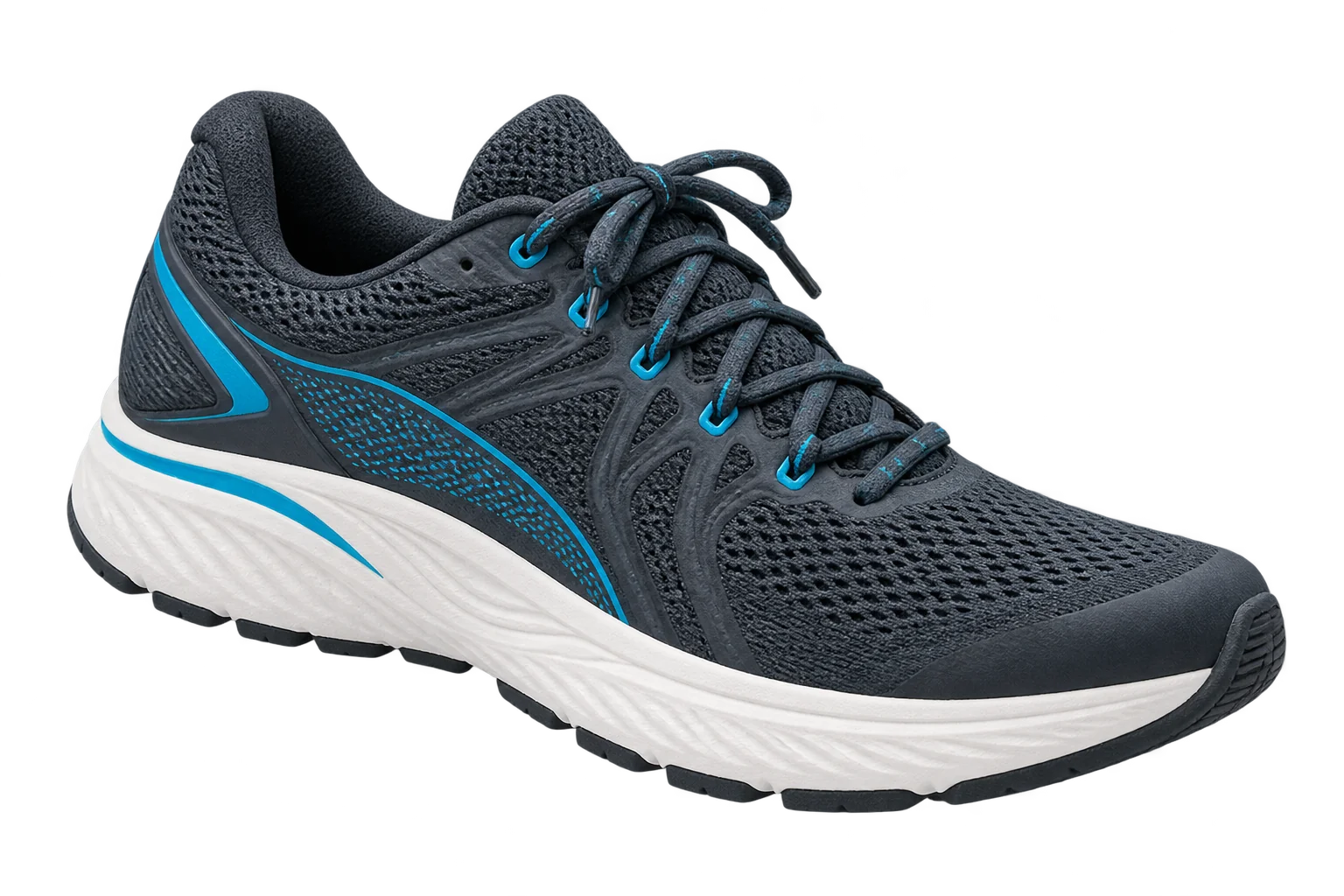

A running injury may start suddenly or build over several sessions. Pain that begins earlier in a run, changes your stride or remains between runs is useful information for your assessment.
Distance is only one part of the picture. Speed work, hills, session frequency, gym training and recovery all affect the demands you are asking your body to manage.
What we look at in your appointmentWe examine the injured area and the tasks you need to get back to. The aim is a clear explanation and a practical plan for what happens next.
Book AppointmentWe ask when pain starts, what happens afterwards and how you feel the next morning. Bring your training log and details of recent changes in pace, distance, hills or shoes.
We examine the painful area and relevant calf, thigh, hip or foot strength. Balance, single-leg tasks or hopping may help when they are appropriate for the suspected injury.
We discuss the findings, whether further investigation is needed and how to adjust training. Running analysis may help when it answers a specific question; video alone does not diagnose an injury.
Start from the running and daily activity your injury can currently tolerate. Distance, frequency, pace and terrain can then be considered separately.
Review what you can manage without repeatedly aggravating the injury. Depending on the diagnosis, the initial plan may modify running or temporarily use other activity.
Current tolerance and symptom responseTarget the muscles, tendons or other structures identified in assessment. Exercise choice and loading depend on the injury, rather than one routine for every runner.
Strength and controlled loadingReintroduce or extend manageable runs, with walk breaks if appropriate. Review the response later that day and the next morning before progressing.
Distance and frequencyBuild faster efforts, hills, longer runs or terrain changes as needed. A comfortable short run does not establish readiness for every session in your previous program.
Pace, terrain and longer effortsThere is no single weekly percentage or recovery timeline that suits every runner. The response to each step helps guide the next one.
Explore return-to-running rehabilitationA useful approach combines training progression, strength and recovery. Recurring pain is a reason to review the plan, not simply replace your shoes.
About pre-season screeningRecord pace, hills, session frequency and other training. Several small changes together can create a much larger change in demand.
Include strength work suited to your current capacity and running goals. Calf, thigh, hip and foot work may be relevant; the right priorities depend on the runner.
Consider sleep, rest between demanding sessions and the effect of illness or a training break. Your old program may need adjusting when circumstances change.
Seek assessment if symptoms keep returning, alter your stride or persist between runs. Pain location alone cannot distinguish muscle, tendon, joint or bone problems.
These are some of the problems we assess. You do not need to know your diagnosis before booking.
Pain around the back of the ankle may change with pace, hills or repeated runs. Assessment helps establish the diagnosis and a suitable loading plan.
Achilles tendinopathy informationPain around the kneecap can affect running, stairs or squatting. Training load and relevant strength are considered together.
Runner’s knee informationHeel symptoms may appear with the first steps of the day or after running. Similar pain locations can have different causes.
Plantar heel pain informationShin pain can develop as training changes. Persistent or focal bone pain needs assessment rather than assuming it is ordinary training soreness.
Shin splints informationOuter knee pain may begin at a repeatable point in a run. Distance, terrain and the way symptoms behave help guide the assessment.
IT band-related pain informationPractical information about your injury, training and appointment.
Common running presentations include patellofemoral pain and other knee problems, Achilles or patellar tendinopathy, plantar heel pain, calf or hamstring strains, shin pain and bone-stress injuries. Similar pain locations can have different causes, so a clinical assessment is needed before deciding how to treat the problem.
Book an assessment when pain is changing your stride, limiting distance or speed, persisting between runs, recurring each time training increases or making you uncertain about whether it is safe to continue.
Your physiotherapist will review symptom behaviour and recent training, examine the painful area and test relevant movement, strength and loading tolerance. Functional tests or running analysis may be added when they will help explain the problem or guide the return plan.
Progression is based on your current response, capacity and running demands. Distance, speed, terrain and frequency can be built in stages, without assuming that one formula or timeline suits every runner.
Book online or call our team to find a time.